Worth it, if you come in the right weeks. The snow-free season is short and splits in two: early and high summer, with light around the clock and insects to match, and the autumn colour from late summer, which is when the fells look their best. A long trail like Hetta–Pallas is hard going rather than technical, with huts along the way and nothing left behind, so plan the fitness and the rubbish before the route.
Most people know Lapland under snow, and for good reason. Visit Finland puts
the winter there at around 200 days of the
year.1 Hiking happens in what is
left, and what is left is not one season but two, with a different trip in each.
Two windows, not one
The first is the light. From around the middle of May, the sun dips in the sky
rather than setting,1 and the
months that follow are the long-day season: walking at midnight in daylight,
and, as Visit Finland’s own July advice puts it, wilderness hikes that are
perfect as long as you watch out for the
mosquitoes.1
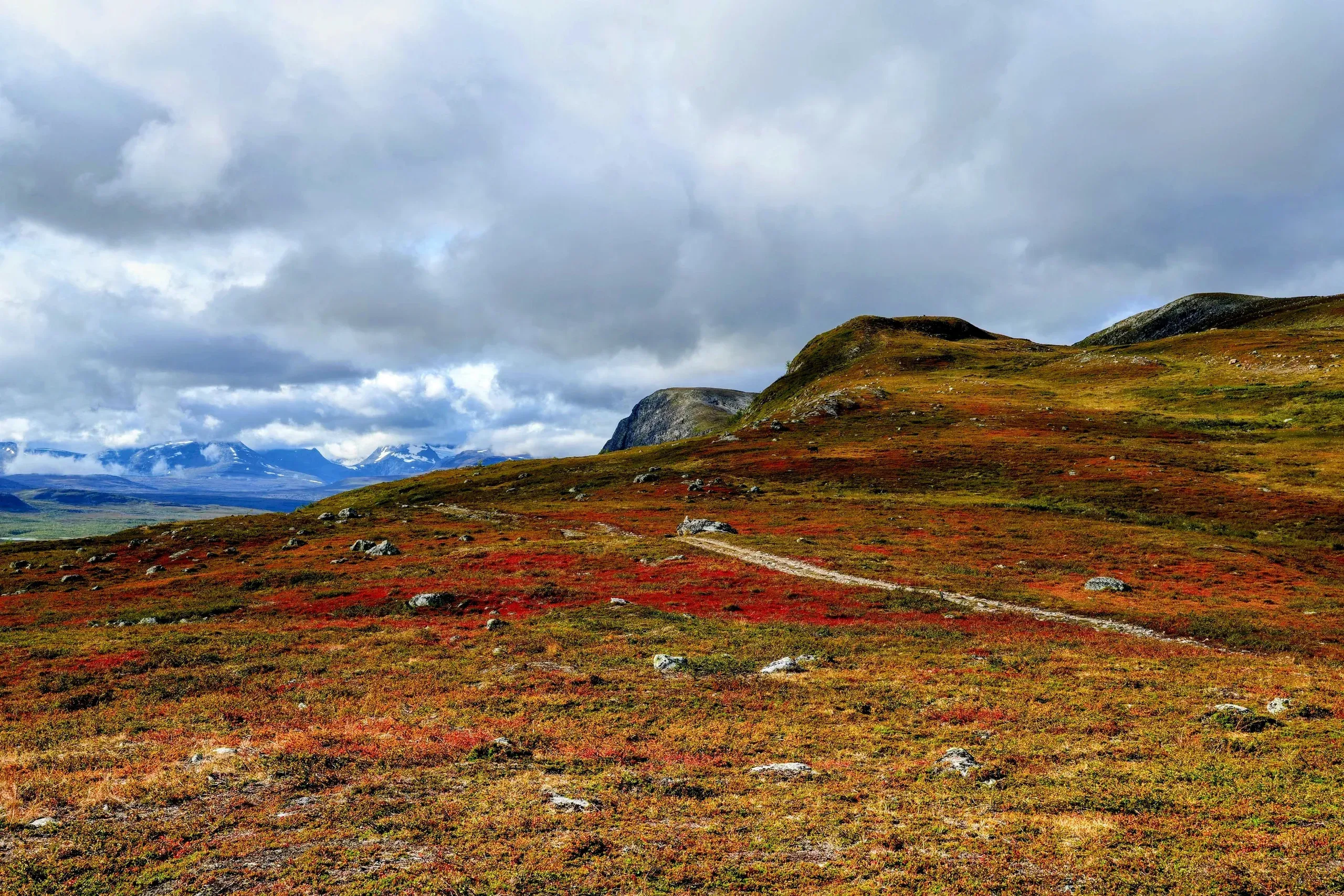
The second is the colour. Ruska, the Finnish word for the autumn foliage,
typically begins in late August,1
and it is the season of the red fells. The days are shorter,
the nights colder, and the aurora is back in the sky after the summer light, so
an autumn hike can end with a night outside looking north.
Tripadvisor ratings, 18 Rovaniemi operators
Highest first
Snowtrail Safaris 5.0
Nordic Odyssey 5.0
Nordic Adventures 4.9
Arctic GM 4.9
Book Lapland 4.9
Bearhill Husky 4.9
Arctic Attitude 4.9
StayLapland 4.8
Wild About Lapland 4.7
Wild Nordic 4.7
Lapland Winter Park 4.6
Safartica 4.5
Nordic Unique Travels 4.5
Apukka Resort 4.4
Lapland Welcome 4.3
Arctic Circle Snowmobile Park 4.3
Arctic Circle Husky Park 4.2
Raitola 3.4
<44.04.55.0
Ratings read from Tripadvisor. The shaded compartment left of the divider holds any score below 4.0. We record the score only; review counts and review text are not part of our comparison.
The classic long walk: Hetta–Pallas
One of the classic long trails in Finnish Lapland runs between Hetta and Pallas in
Pallas-Yllästunturi National Park. The park’s own route description gives it as
50.1 kilometres, usually walked in about four days at around thirteen a day, and
grades it difficult because of long ascents and descents rather than technical
ground. It recommends June to September, with September’s crowberry, lingonberry
and bilberry turning the ground red.2
The practical rules are worth reading before the scenery. There are wilderness
huts along the way: you can sleep in the open ones if there is space, or book a
bed in a reservation hut. Starting from Hetta, the first thing is a crossing of
Lake Ounasjärvi by paid boat, booked from the park’s partner businesses. And all
the bins have been removed from the route, so every hiker carries their rubbish
out of the park.2
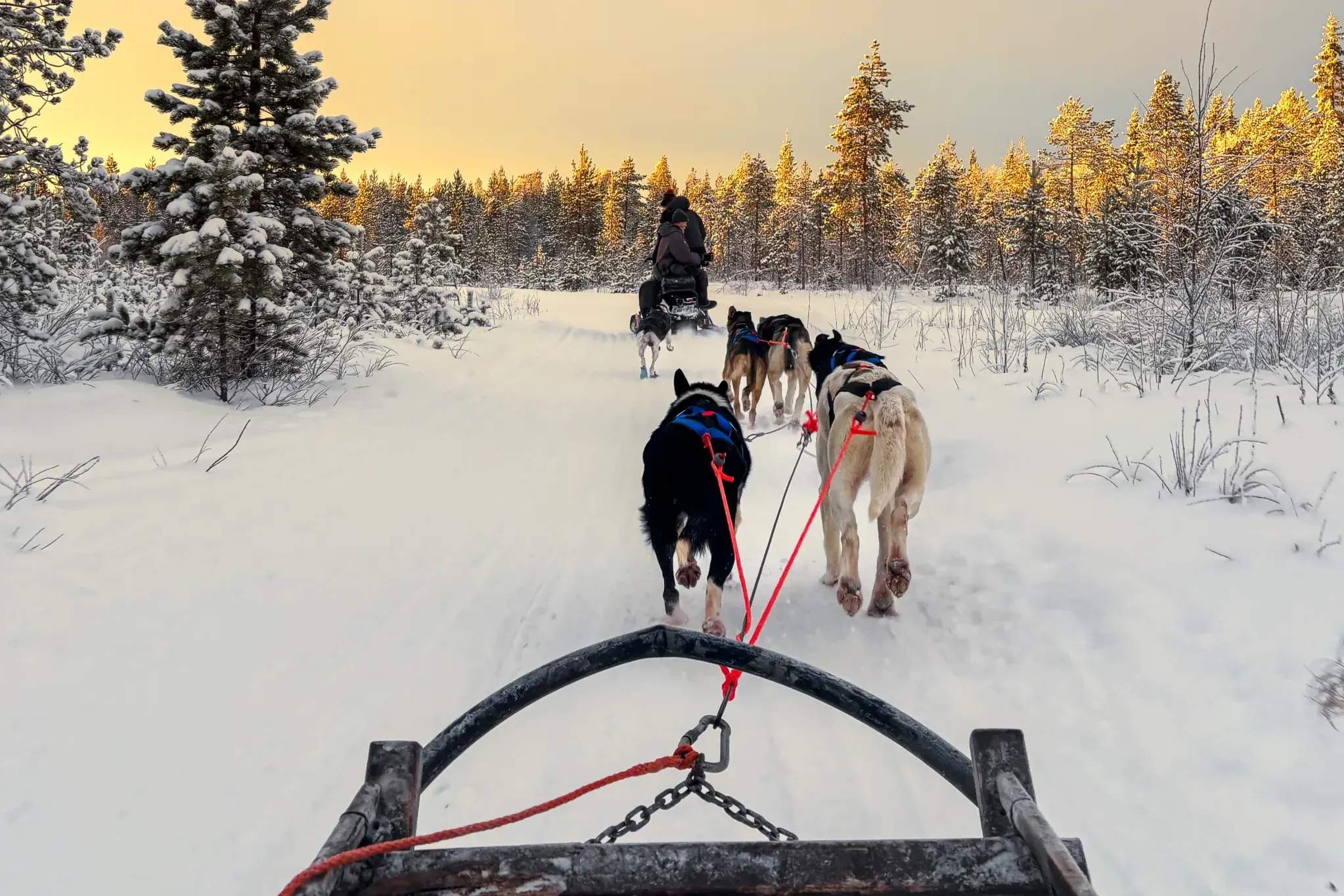
Hetta is also where one kennel runs its
winter husky expeditions, which says something about
how different the same place is in March and in September.
The national park's own route description says yes, with the right fell equipment: the difficulty comes from the long climbs and descents rather than from technical terrain. What a beginner should take seriously is the length, about four days at around thirteen kilometres each, carrying everything, including every piece of rubbish, since the bins along the route have been removed. Walk a long day with a full pack at home first.
How bad are the mosquitoes?
Bad enough that Visit Finland's own July advice mentions them in the same breath as the hiking. Nobody publishes a daily count, so plan for them rather than hope: repellent, long sleeves and a head net cost little and weigh nothing. If insects would spoil the trip for you, aim for the autumn colour from late August rather than midsummer, and accept shorter days and colder nights in return.
What will the weather be like?
Mild rather than hot. Visit Finland gives Rovaniemi an average of about eighteen and a half degrees in July, and the fells are more exposed than the town. Pack for rain and wind on any day, warm layers for the evenings, and in autumn for nights near or below freezing. The long light of early summer helps: running late on a stage is less of a problem when it never gets dark.
Lapland Handbook is written by its editorial staff in Rovaniemi. Every price, age limit and group size in a comparison is read from the operator's own page and marked "Not stated" when the operator does not publish it. Each guide names who should not book, and names the operator that suits each kind of group, whichever it is.
Rovaniemi's winter tours do sell out – December and the week around New Year first, and the small-group ones before the rest. Booking here goes straight to the operator at their own published price, and the code LH10 takes 10% off it.
We would like to count visits, so we can see which guides get read. That needs a cookie. Nothing else on this site does, we show no advertising, and refusing changes nothing about what you can read or book. What we measure and why.