A visitor attraction rather than a tour. Finland has two well-known ones: the park at Santa Claus Village in Rovaniemi, which keeps 138 huskies and sells a guided visit starting hourly with a meet and greet and a one-kilometre ride, and Levi Huskypark, running for more than 35 years, where a guided park visit comes with a two-kilometre sled ride driven by a musher behind a team of ten to twelve. Both keep Siberian huskies rather than the Alaskan crossbreeds that pull safari sleds, and both put other animals – reindeer, foxes, film animals – alongside the dogs.
“Husky park” sounds like a place where you go to do a husky safari. It is not.
It is a different product with a different kind of dog, and the confusion costs
people either a disappointing ride or a missed afternoon.
What a park actually is
A fenced attraction with animals in it, a guide, and a short sled ride
attached.
The park at Santa Claus Village in Rovaniemi keeps 138 huskies and sells a
visiting package built around a guided tour that starts hourly, ending in a
meet and greet with the dogs; the ride that goes with it is one
kilometre.1
Levi Huskypark has been running for more than 35 years and works the same way:
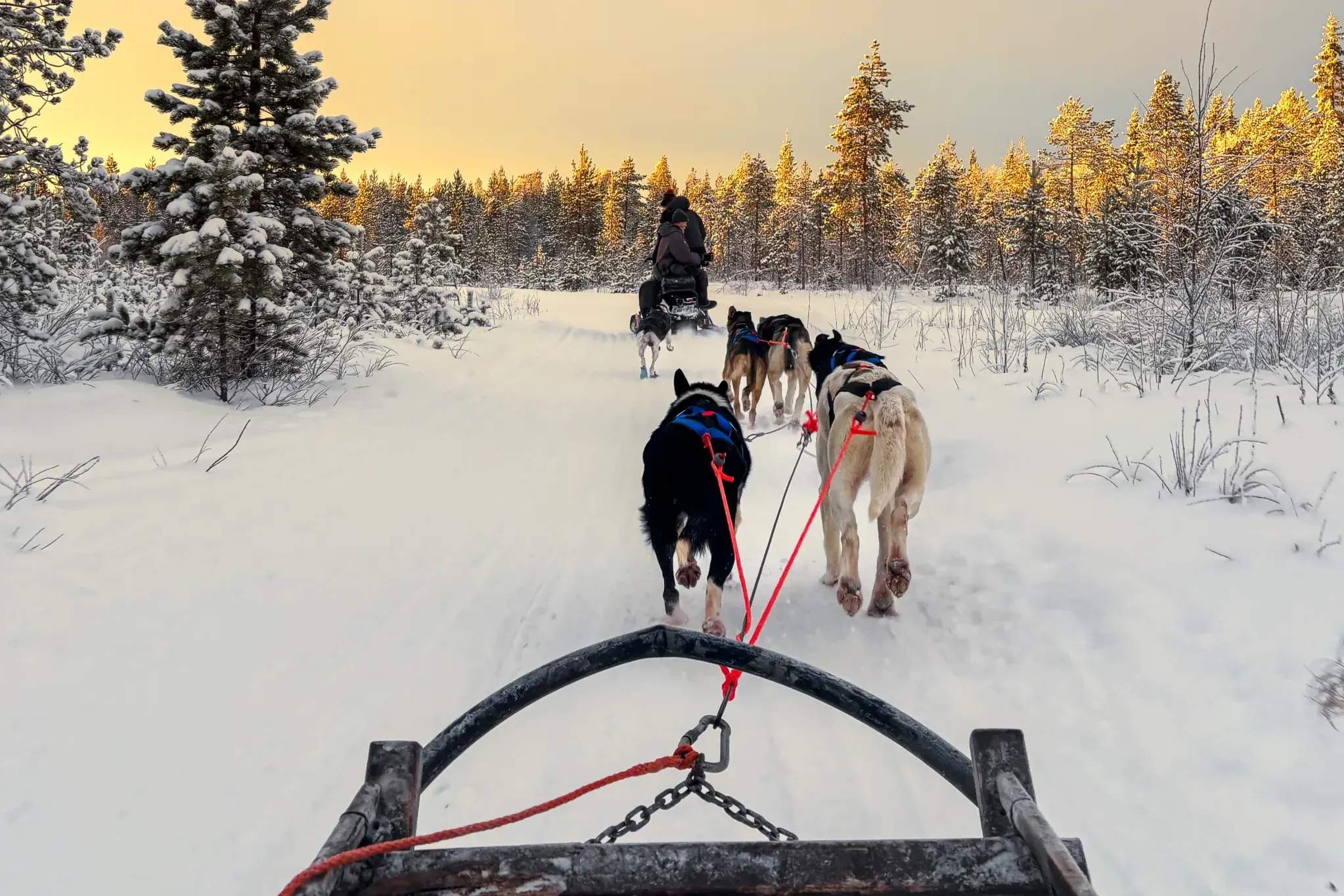
a guided park visit, and a two-kilometre sled ride driven by a musher behind a
team of ten to twelve dogs, with group sizes capped at twenty. Alongside the
huskies it keeps reindeer, red foxes and film
animals.2
Three things in there are the opposite of a safari. The ride is short. Somebody
else drives. And the dogs are not the only animals, because the product is a
visit rather than a journey.
And the dogs are a different dog
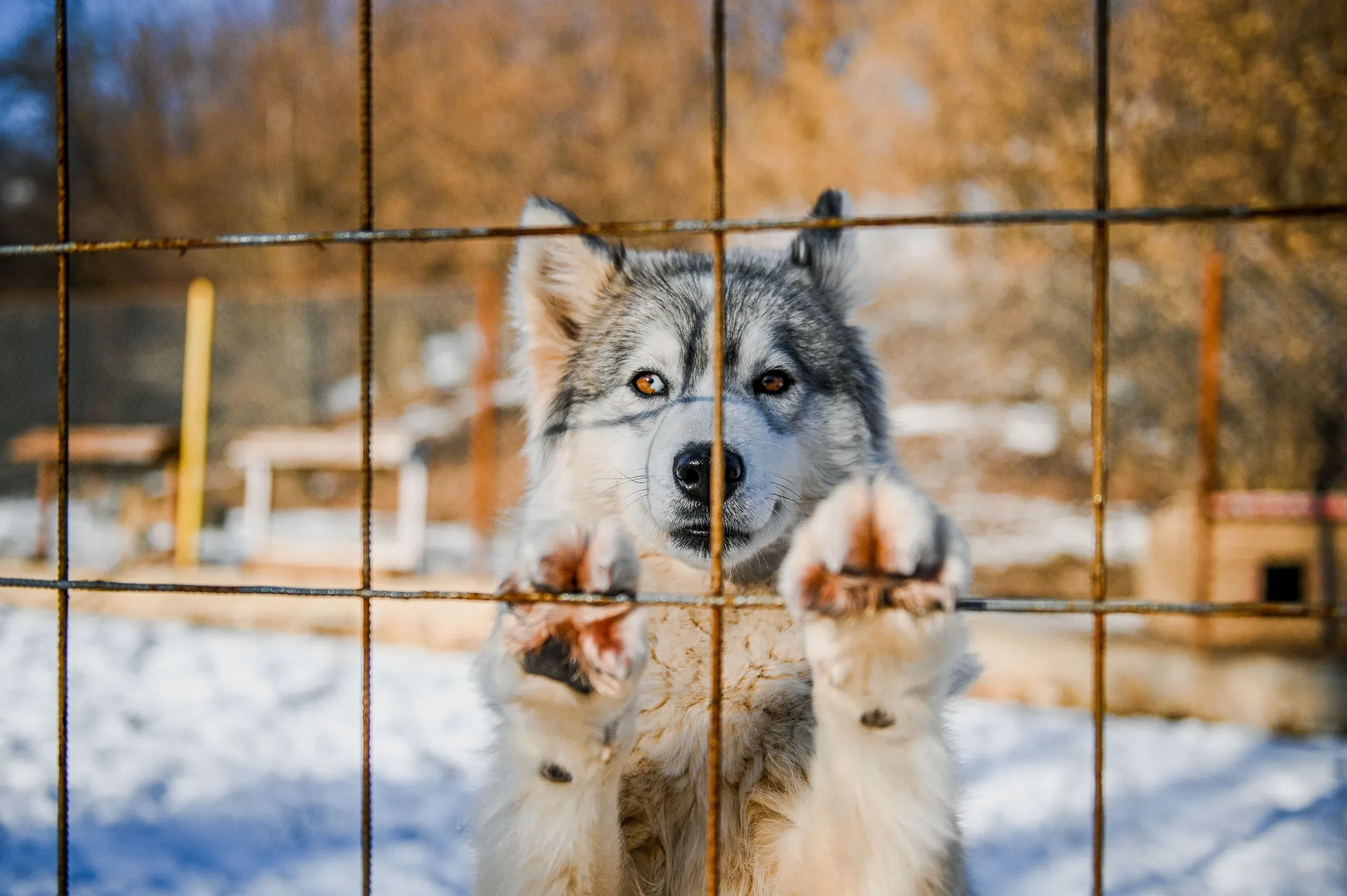
Both parks keep Siberian huskies. Almost every safari team in Lapland is
Alaskan huskies, which
are not a recognised breed at all but a
working type bred for pulling, and which look nothing like the dog on the
poster.
That is not an accident of stocking. A park sells an encounter, and the
Siberian is the dog visitors have pictured. A kennel sells a run, and the
Alaskan is the dog that does it well. Levi is the one place where the line
blurs, because
one of the kennels there keeps pure-bred Siberians
and runs safaris behind them.
Tripadvisor ratings, 18 Rovaniemi operators
Highest first
Snowtrail Safaris 5.0
Nordic Odyssey 5.0
Nordic Adventures 4.9
Arctic GM 4.9
Book Lapland 4.9
Bearhill Husky 4.9
Arctic Attitude 4.9
StayLapland 4.8
Wild About Lapland 4.7
Wild Nordic 4.7
Lapland Winter Park 4.6
Safartica 4.5
Nordic Unique Travels 4.5
Apukka Resort 4.4
Lapland Welcome 4.3
Arctic Circle Snowmobile Park 4.3
Arctic Circle Husky Park 4.2
Raitola 3.4
<44.04.55.0
Ratings read from Tripadvisor. The shaded compartment left of the divider holds any score below 4.0. We record the score only; review counts and review text are not part of our comparison.
Which to book
The honest way to choose is to decide whether you want to be moved or to be
somewhere.
You want the run: a safari, and the numbers that matter are trail distance
and group size. The
husky safari guide sets out why, and
the names and the kennels sorts
out which companies in Rovaniemi actually own dogs.
You want the dogs, with children or without a fixed hour: a park. No
minimum age worth speaking of, tickets at the door, guided visits through the
day, and a warm building.
You want the dogs but not a fenced attraction: a kennel visit, which is a
third thing again – the working yard rather than the display one.
Farm visit or safari sets those two against
each other, and the
husky farm visit guide explains why a
visit-only kennel is scarcer in midwinter than the search results suggest.
The specific parks
Arctic Circle Husky Park, Santa Claus Village, Rovaniemi. The one most
visitors meet, because it is on a site they were going to anyway. What the
parts cost when we last read them, and how that compares with a safari, is on
Arctic Circle Husky Park.
Levi Huskypark, near Sirkka. Older, broader in its animals, and with a
two-kilometre ride rather than one. Worth knowing about if you are staying at
Levi and have read
what changes about husky tours outside Rovaniemi,
because a park visit works on the short dark days when a half-day safari does
not.
This page is an independent guide. We have no connection to either park, and
neither has seen what it says.
It is a real sled and real dogs, and it is over quickly. One to two kilometres is a few minutes: the team is up to speed and slowing again before most people have worked out where to put their hands. A musher drives, so you are a passenger throughout. Treat it as the thing that completes a visit rather than as a short safari, because measured as a safari it is expensive per minute and measured as part of a park ticket it is good value. The mistake is expecting a forest and getting a loop.
Why do the parks keep Siberian huskies when the safaris do not?
Because the two are selling different things. A safari kennel breeds for pulling and ends up with the Alaskan husky, a working type with no standard and no registry, which is leaner and more varied than the dog in the photographs. A park is selling an encounter, and the Siberian is the dog people have come to meet: thick-coated, masked, often blue-eyed, and steady enough to spend a day being greeted by strangers. Neither choice is a compromise; they are answers to different questions.
Can you visit a park without booking?
Usually yes, and it is one of the practical advantages over a safari. The parks run guided visits at set times through the day and sell tickets at the door, so a family that has lost a morning to a cancelled tour can walk in. Check the hours rather than assuming, because they are shorter than people expect – the Rovaniemi park's last guided visits start in the early afternoon, not the late one, and a plan built around arriving at three does not work.
Lapland Handbook is written by its editorial staff in Rovaniemi. Every price, age limit and group size in a comparison is read from the operator's own page and marked "Not stated" when the operator does not publish it. Each guide names who should not book, and names the operator that suits each kind of group, whichever it is.
Rovaniemi's winter tours do sell out – December and the week around New Year first, and the small-group ones before the rest. Booking here goes straight to the operator at their own published price, and the code LH10 takes 10% off it.
We would like to count visits, so we can see which guides get read. That needs a cookie. Nothing else on this site does, we show no advertising, and refusing changes nothing about what you can read or book. What we measure and why.